

What is uveitis?
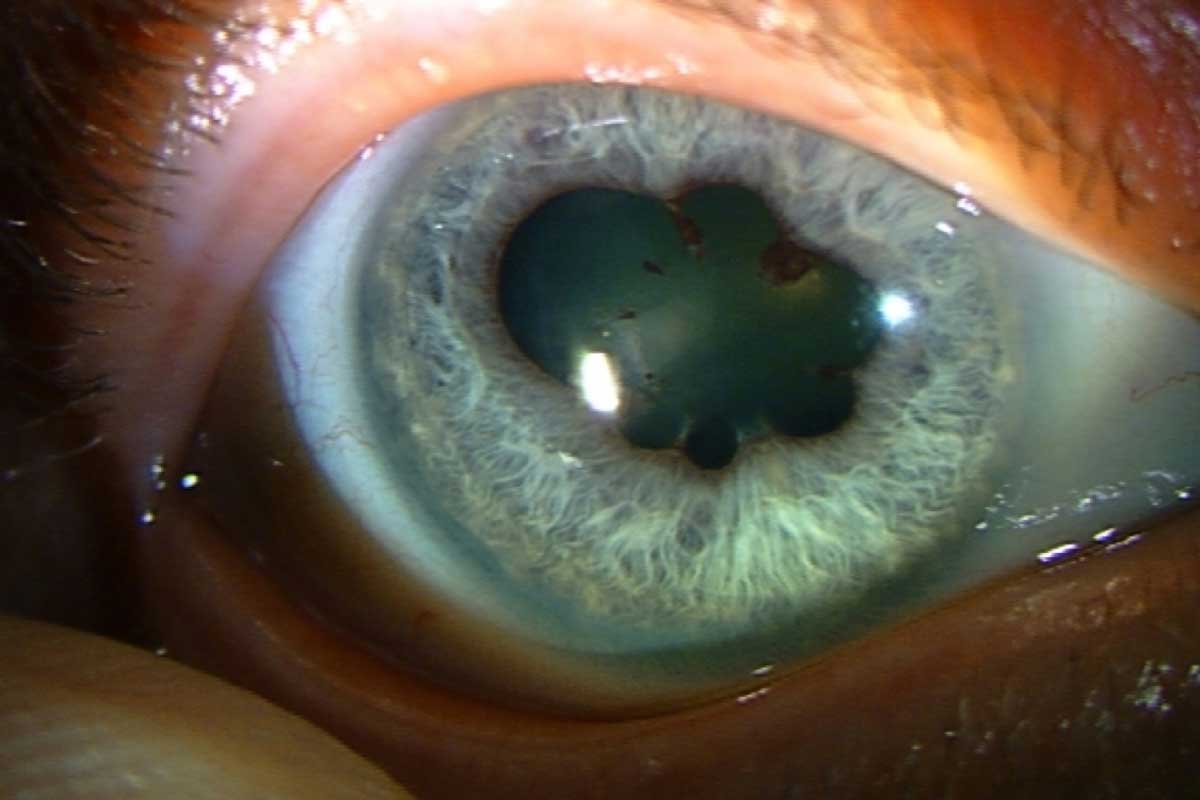
Uvetis refers to inflammation involving the tissues inside the eye (referred to as the uvea). It is diagnosed with an eye exam that reveals the presence of white blood cells and other signs if inflammation inside the eye. There are a variety of possible causes of uveitis, including several infectious and autoimmune causes. Because of this, bloodwork and other investigations may be required in an attempt to identify an underlying cause. In many cases, no underlying cause can be identified, and the inflammation may be labelled as idiopathic (meaning it is isolated to the eye and not related to an underlying process involving other parts of the body).
What are the symptoms of uveitis?
Symptoms of uveitis may vary depending on the location of the inflammation within the eye, and the severity of the inflammation. Most commonly, uveitis causes reduced vision, pain, redness, and severe light sensitivity (photophobia). It may involve one, or both eyes at various times, or simultaneously. Uveitis may be an isolated episode that resolves with treatment, or it may take on a recurrent or chronic course.
How is uveitis treated?
The treatment of uveitis varies depending on the location of the inflammation within the eye, the severity of the inflammation, and whether an underlying cause is identified. In most cases, treatment involves the use of anti-inflammatory medications in the form of eye drops, oral medications, or injections. If an infectious cause of the inflammation is identified, antibiotic or antiviral medications may be necessary.