
What is glaucoma?
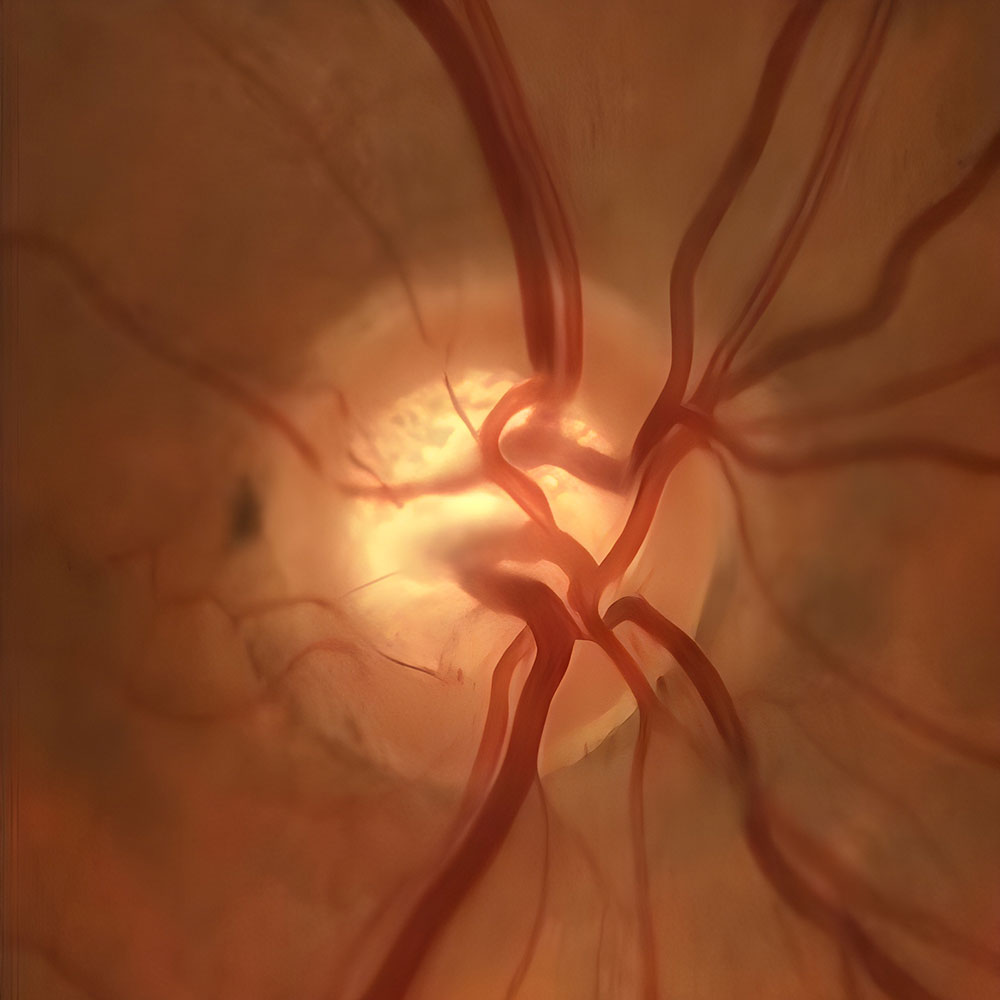
Glaucoma refers to a series of conditions that have the potential to cause vision loss due to damage to the optic nerve (the cable of nerve tissue that transmits visual signals from the eye to the brain). In most cases, elevated pressure inside the eye is a significant risk factor that contributes to the damage. Increasing age and a family history of glaucoma are the most common risk factors for developing the condition.
What are the symptoms of glaucoma?
Symptoms of glaucoma tend to develop so slowly that patients are often unaware of any symptoms of the disease until it is quite advanced. It is commonly discovered on a routine eye exam, even before symptoms have been noted by the patient. In more advanced cases, patients may note varying degrees of peripheral vision loss, that can progress to complete blindness if not treated.
What are the different types of glaucoma?
There are several different types of glaucoma, however they are broadly separated into open-angle and angle-closure forms, and some patients may have some features of both (mixed-mechanism glaucoma). In North America, open-angle glaucoma is much more common that angle-closure. Although the goal of treatment generally involves lowering the intraocular pressure, the recommended treatments may vary depending on the underlying type or cause of the glaucoma.
How is glaucoma diagnosed?
A complete eye exam, including measurement of the intraocular pressure, assessment of the ocular anatomy, and evaluation of the optic nerve is critical to the diagnosis of glaucoma. The eye exam is augmented by various diagnostic tests such as optical coherence tomography (OCT) and automated visual field testing to precisely assess the structure and function of the optic nerve. These tests are followed on an ongoing basis to ensure the condition is remaining under control with the treatments that have been implemented.
How is glaucoma treated?
Glaucoma cannot be cured, however in many cases it can be controlled through a variety of treatments. Treatment is generally aimed at lowering the intraocular pressure and may include medications (eye drops) and/or various forms of laser treatment. If eye drops and laser do not sufficiently control the disease, surgery may be required in some cases.
Diabetes
How does diabetes affect the eyes?
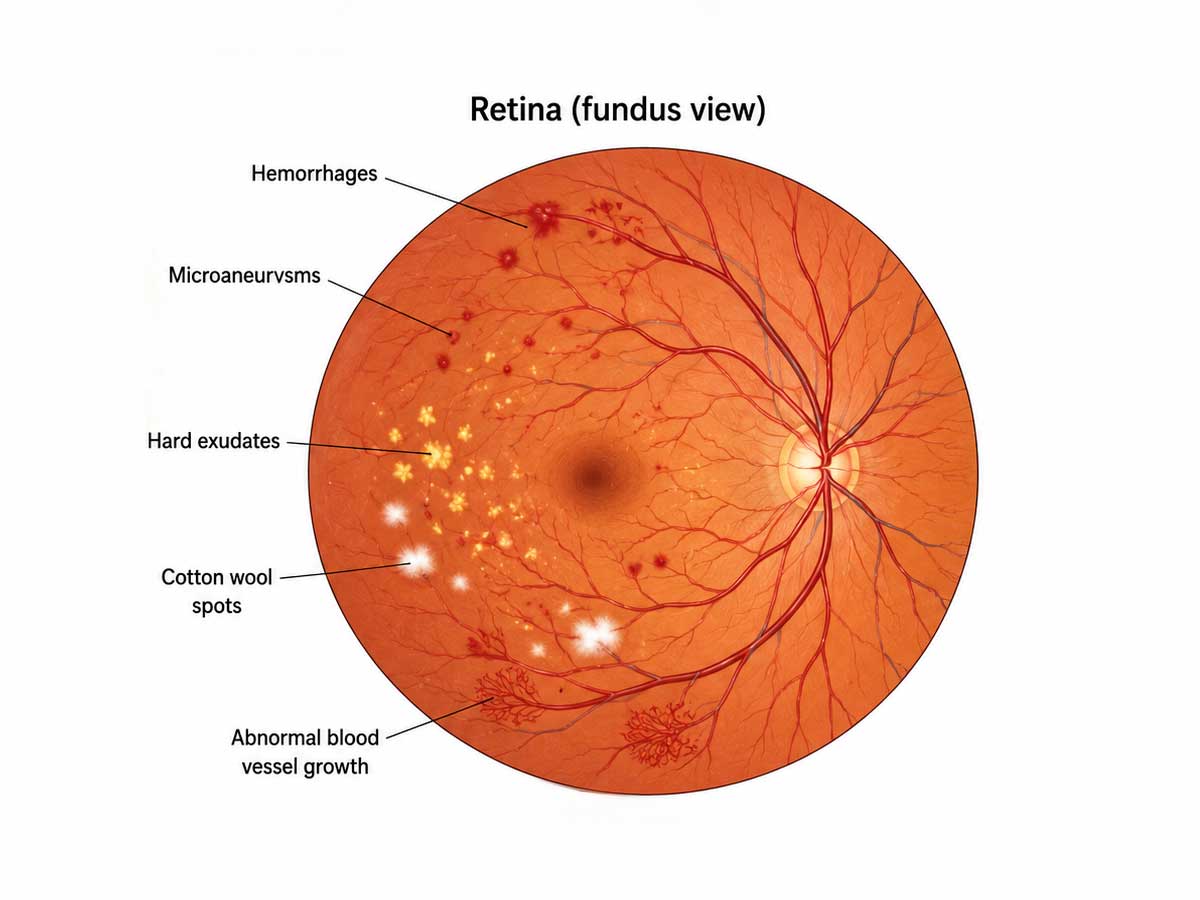
Diabetes is a systemic disease that affects tissues in the body by causing damage to small blood vessels, as a result of high blood sugars. As tissues in the eye rely on blood supply from a rich network of small vessels, they are one of the organs that can be prone to damage from diabetes.
Diabetes can lead to structural changes to the blood vessels in the retina. If these changes progress, the blood vessels can leak fluid into the retina that can cause reduced vision, referred to as diabetic macular edema. In more severe cases, diabetes can lead to the growth of abnormal blood vessels (neovascularization) in the eye that can cause intraocular hemorrhage or retinal detachment that can be vision-threatening.
If you are diabetic, periodic eye exams to monitor the eyes for changes related to diabetes are recommended.
How is diabetic eye disease treated?
If vision is being affected by the development of diabetic macular edema or neovascularization, this may require treatment with injections of medication (anti-VEGF) into the eye, laser treatments, surgery, or some combination thereof.