


Eye Conditions
Our eyes are complex, delicate structures that play a vital role in how we experience the world. Ophthalmic conditions can affect any part of the eye, from the cornea and lens to the retina and optic nerve, and may develop gradually or appear suddenly. Early detection and proper care are key, as many eye conditions are highly treatable when identified in time, helping to preserve vision and overall eye health.
What is uveitis?
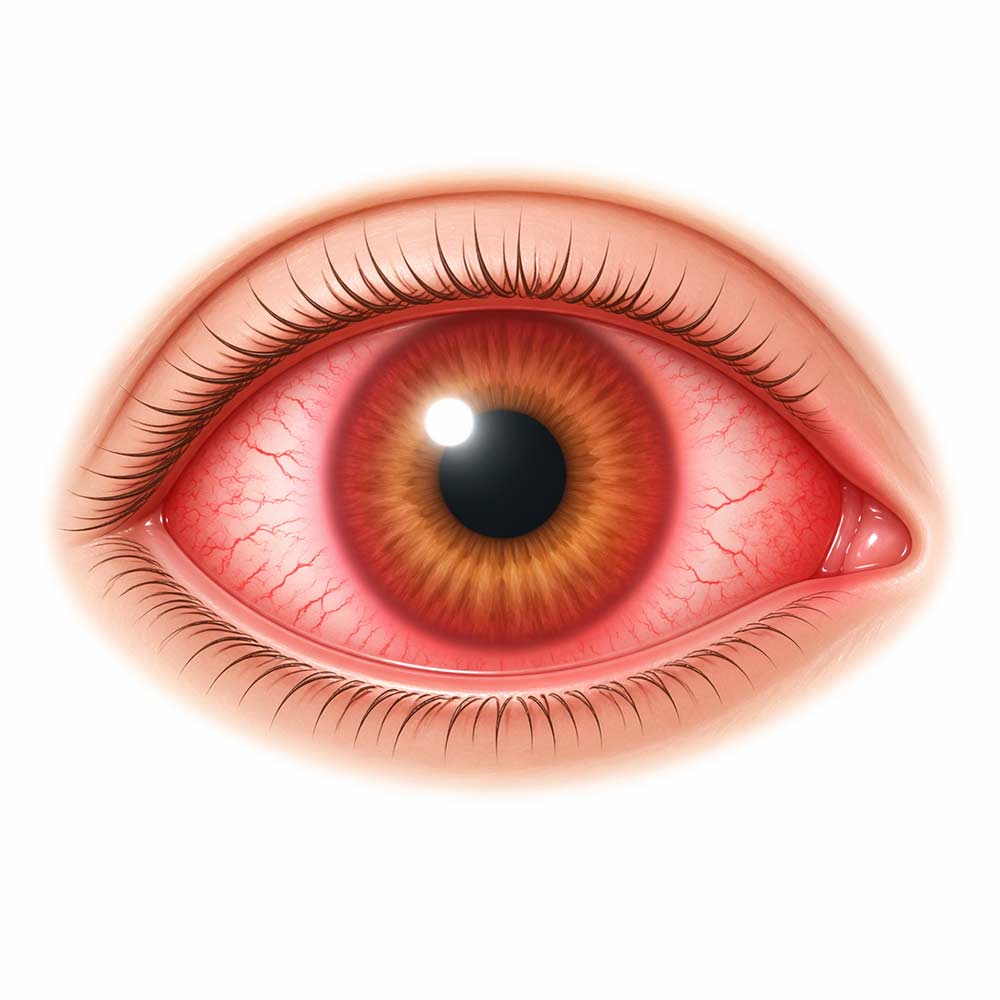
Uvetis refers to inflammation involving the tissues inside the eye (referred to as the uvea). It is diagnosed with an eye exam that reveals the presence of white blood cells and other signs if inflammation inside the eye. There are a variety of possible causes of uveitis, including several infectious and autoimmune causes. Because of this, bloodwork and other investigations may be required in an attempt to identify an underlying cause. In many cases, no underlying cause can be identified, and the inflammation may be labelled as idiopathic (meaning it is isolated to the eye and not related to an underlying process involving other parts of the body).
What are the symptoms of uveitis?
Symptoms of uveitis may vary depending on the location of the inflammation within the eye, and the severity of the inflammation. Most commonly, uveitis causes reduced vision, pain, redness, and severe light sensitivity (photophobia). It may involve one, or both eyes at various times, or simultaneously. Uveitis may be an isolated episode that resolves with treatment, or it may take on a recurrent or chronic course.
How is uveitis treated?
The treatment of uveitis varies depending on the location of the inflammation within the eye, the severity of the inflammation, and whether an underlying cause is identified. In most cases, treatment involves the use of anti-inflammatory medications in the form of eye drops, oral medications, or injections. If an infectious cause of the inflammation is identified, antibiotic or antiviral medications may be necessary.
What is a cataract?
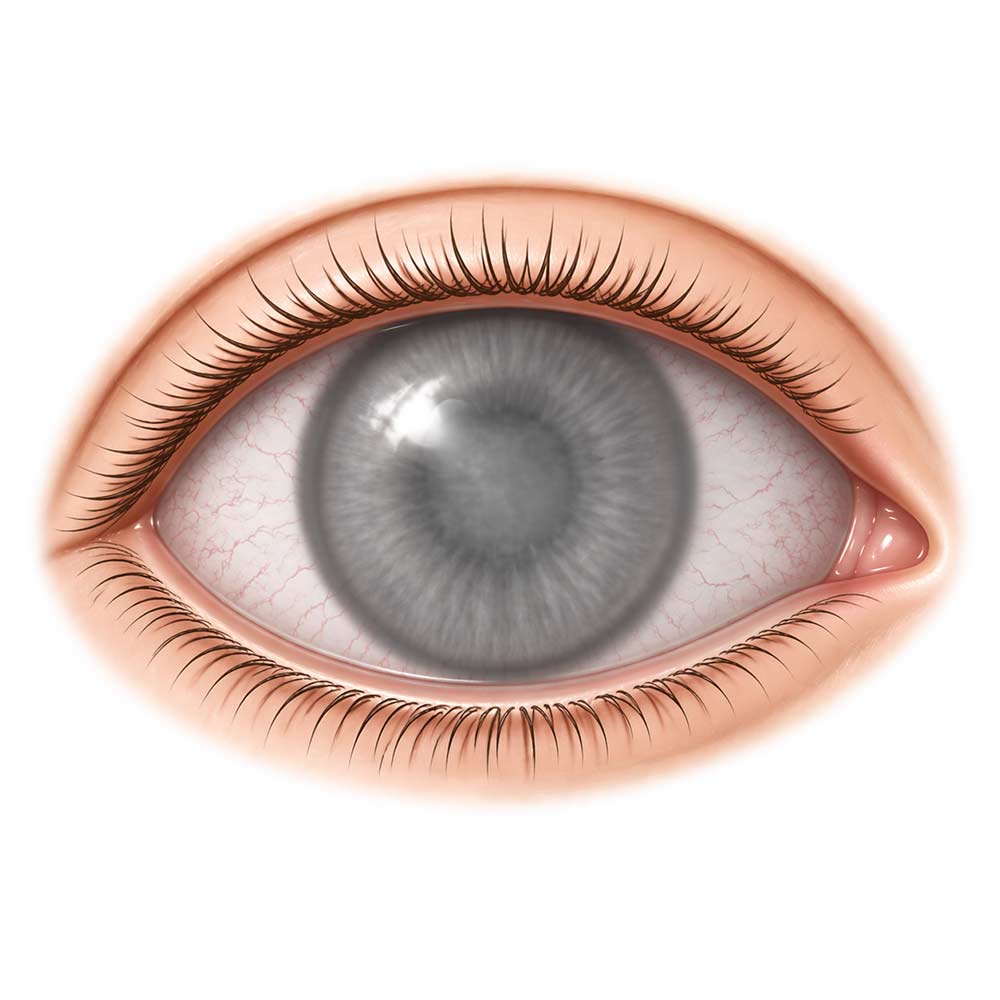
Like a camera, the eye has a lens that focuses light on the retina to produce a clear image. A cataract is a clouding of the natural lens in your eye. When a cataract develops, it prevents the light rays from getting properly focused on the retina.
In its early stages, a cataract may not cause any significant problem with the vision or limit function in any way. As the cataract progresses, it can sometimes cause a shift in the refractive error that requires more frequent updates to glasses to keep the vision clear. Eventually, the vision becomes blurry even with the best possible correction with glasses. When this interferes with visual function and quality of life, treatment may be necessary.
What are the symptoms of cataracts?
Symptoms may vary from person to person. They may include:
- Cloudy or blurry vision
- Glare or a halo in the vision, particularly with oncoming lights
- Poor night vision
- Monocular double vision
- Colours appearing faded
- Rapidly increasing nearsightedness, requiring more frequent changes to eyeglass prescriptions
How are cataracts treated?
When the visual effects of cataracts interfere with your daily activities, such as driving, treatment may be necessary. Cataracts are treated surgically. Cataract surgery is one of the most common surgeries performed in the North America. It is also one of the safest and most effective. It is performed by surgically removing the cloudy lens and replacing it with a new, artificial lens that is implanted in the eye.
When it is determined that a patient is ready for cataract surgery, the surgeon will discuss the risks and benefits of surgery, as well as details of the surgery process with the patient. Measurements are taken of the eyes before surgery, to determine the best strength of lens implant to match the eye at the time of surgery.
There are several different lens implant options available, however not all patients are candidates for all options, depending on various features of their eyes and their past ocular history. Based on the eye exam, history, and eye measurements, the surgeon will determine which lens implant options the patient may be a candidate for, and discuss this with the patient to arrive at the final surgical plan.
What is glaucoma?
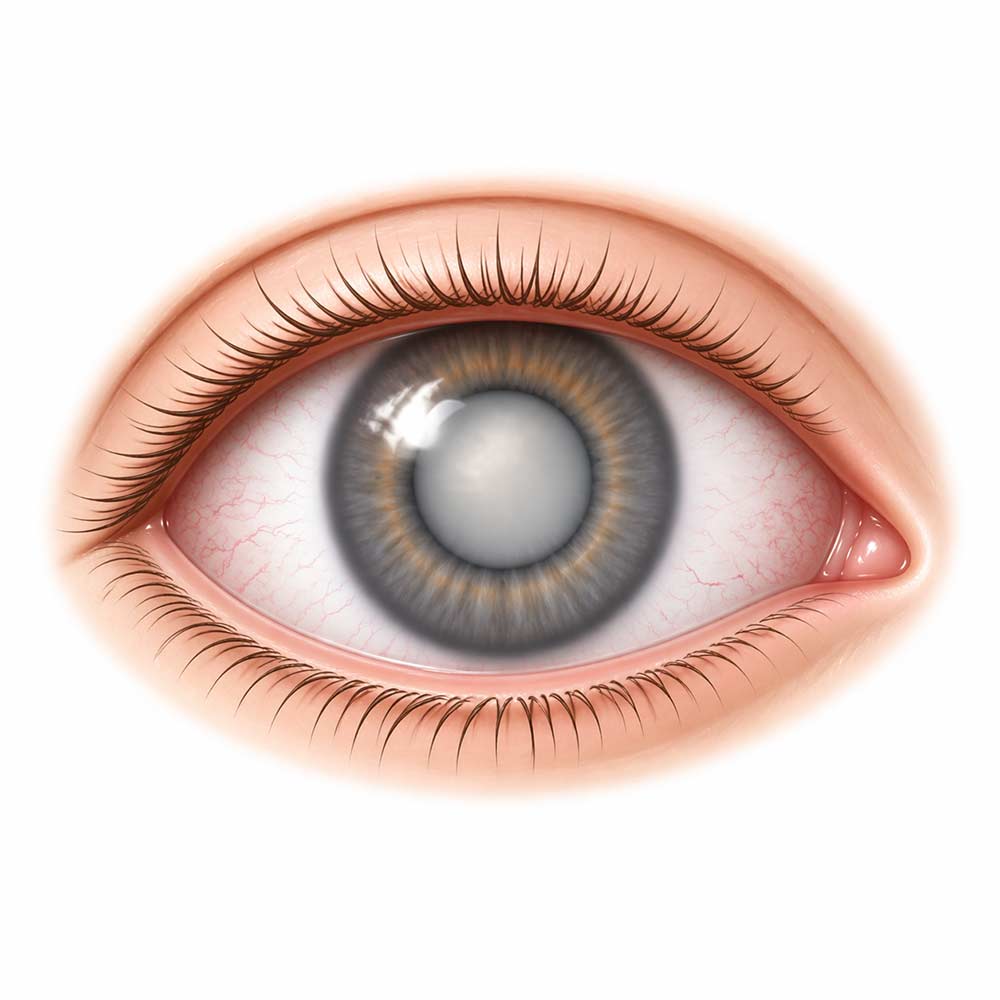
Glaucoma refers to a series of conditions that have the potential to cause vision loss due to damage to the optic nerve (the cable of nerve tissue that transmits visual signals from the eye to the brain). In most cases, elevated pressure inside the eye is a significant risk factor that contributes to the damage. Increasing age and a family history of glaucoma are the most common risk factors for developing the condition.
What are the symptoms of glaucoma?
Symptoms of glaucoma tend to develop so slowly that patients are often unaware of any symptoms of the disease until it is quite advanced. It is commonly discovered on a routine eye exam, even before symptoms have been noted by the patient. In more advanced cases, patients may note varying degrees of peripheral vision loss, that can progress to complete blindness if not treated.
What are the different types of glaucoma?
There are several different types of glaucoma, however they are broadly separated into open-angle and angle-closure forms, and some patients may have some features of both (mixed-mechanism glaucoma). In North America, open-angle glaucoma is much more common that angle-closure. Although the goal of treatment generally involves lowering the intraocular pressure, the recommended treatments may vary depending on the underlying type or cause of the glaucoma.
How is glaucoma diagnosed?
A complete eye exam, including measurement of the intraocular pressure, assessment of the ocular anatomy, and evaluation of the optic nerve is critical to the diagnosis of glaucoma. The eye exam is augmented by various diagnostic tests such as optical coherence tomography (OCT) and automated visual field testing to precisely assess the structure and function of the optic nerve. These tests are followed on an ongoing basis to ensure the condition is remaining under control with the treatments that have been implemented.
How is glaucoma treated?
Glaucoma cannot be cured, however in many cases it can be controlled through a variety of treatments. Treatment is generally aimed at lowering the intraocular pressure and may include medications (eye drops) and/or various forms of laser treatment. If eye drops and laser do not sufficiently control the disease, surgery may be required in some cases.